

Academic Programs
The Peter O'Donnell Jr. School of Public Health is training the next-generation public health workforce to identify, predict, and address wide-scale health problems before they occur – and quickly respond to public health emergencies as they arise. We offer several degree programs and pathways to match your professional goals.
Academic Programs and Pathways






For full program requirements, course descriptions, and admissions information, see the 2026-2027 O'Donnell School of Public Health Academic Catalog.
Why Choose UT Southwestern?
Research
Research is at the heart of everything we do at UT Southwestern, offering you the opportunity to work with some of the most acclaimed researchers in public health. UT Southwestern has a superb international reputation for life-changing research that has led to some of the most important discoveries of our generation.

Expert Partners
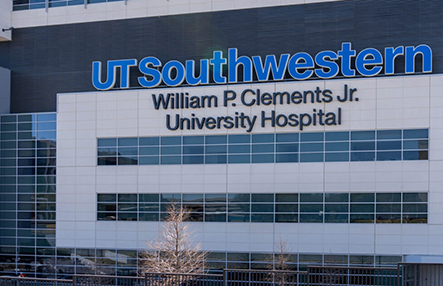
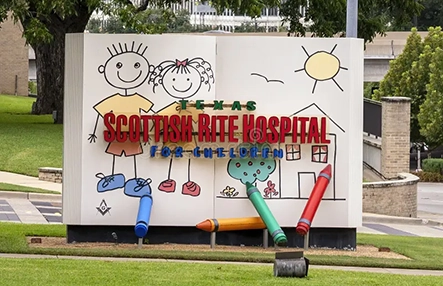
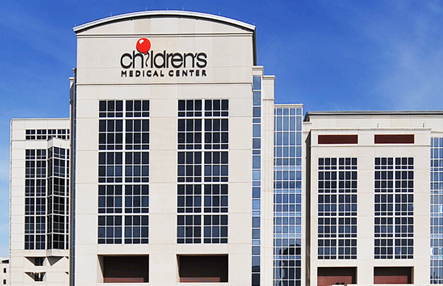
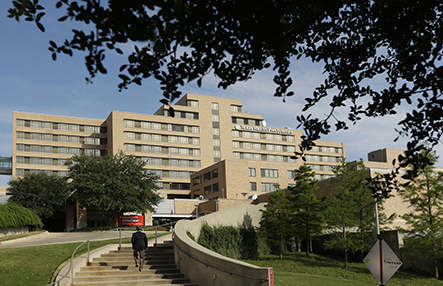
Impact health in a variety of settings with our diverse health system partners. Our partners span across the Dallas area community:


Funding
With $10 million of funding from the Texas Legislature in the first two years and a transformative $100 million donation from the O'Donnell Foundation – as well as additional donations from local foundations – support for UT Southwestern's Peter O'Donnell Jr. School of Public Health demonstrates the depth of resources available to the program. That translates directly into support and resources for our students and the community.
Areas of Focus
These key themes are at the core of all our degree programs:

Improve public health through development, interpretation, and communication of data, with cross-cutting application from the fields of epidemiology, biostatistics, and the data sciences

Drive transformative change in health and health equity through evidence-based programs

Evaluate and implement health interventions and policies for health systems

Apply advanced statistical and analytic techniques and build practical data pipelines to solve real-world public health problems
Academic Policies
Policies and requirements governing admission, coursework, and degree completion at the O'Donnell School of Public Health.
Academic Calendar
Term dates, registration periods, and holidays are listed on the O'Donnell School of Public Health academic calendar.
Degree Completion Requirements
Requirements for each degree are listed on the individual program pages in the 2026-2027 academic catalog.
Admissions, Grading, and Academic Integrity
- Admissions Policies
The UT Southwestern Peter O'Donnell Jr. School of Public Health is committed to a fair, transparent, consistent, and holistic admissions process. Applications are reviewed individually by the School's Admissions Committee in accordance with UT Southwestern institutional policy and School-specific admissions procedures. Admissions decisions are made independently and are protected from improper external influence or conflicts of interest.
Holistic review
The School uses an individualized, holistic review to identify applicants whose academic preparation, experiences, accomplishments, personal qualities, and motivations demonstrate the potential to contribute to the mission of the O'Donnell School of Public Health and succeed in their chosen program. Factors considered may include academic performance; letters of recommendation; personal statements; relevant research, clinical, or public health experience; personal and educational experiences and responsibilities; and other attributes relevant to the applicant's preparation and potential. Standardized test scores may be considered when submitted but are optional. Interviews are also considered for Ph.D. applicants.
No point-based formula is used, and no single factor is assigned greater or lesser weight. Each applicant is considered based on the totality of their application and individual circumstances.
Integrity of the process
To protect the integrity of the admissions process, required letters of recommendation and other application materials must be submitted through the established application process. Applicant information and Admissions Committee deliberations are treated as confidential, and procedures are in place to identify and manage potential conflicts of interest.
Decisions
Admissions decisions are final and are not subject to appeal. Applicants who are not admitted may contact the appropriate admissions office for general information about admissions expectations and reapplying.
Application requirements and deadlines for each program are listed in the Student Information section of the academic catalog.
- Grading Policies
Courses in all programs are graded on the following basis:
Grade Grade points Honors 4.0 High Pass 3.0 Pass 2.0 Fail 0.0 Grades are reported to the Registrar within two weeks of the last day of the term and are available to students immediately. For graduating students, grades are due on the last day of the term.
On the recommendation of the instructor, and subject to the approval of the Associate Dean for Academic Affairs, a student may receive an "I" (Incomplete) for a course not completed. The incomplete course work must be completed within the time prescribed by the course instructor, or a failing grade will be recorded.
- Academic Integrity Standards
In accordance with the O'Donnell School of Public Health Student Code of Professional Conduct, all students are expected to:
- Maintain the highest standards of academic honesty and integrity in all academic endeavors, including coursework, research, and practical training.
- Not give or receive aid in examinations or assignments unless such collaboration is explicitly permitted by the instructor.
- Conduct research in an unbiased manner, report results truthfully and completely, and properly credit ideas developed and work done by others.
- Properly cite all sources used in academic work and avoid plagiarism in any form.
- Be truthful in all academic communications, including reporting attendance, hours worked, and completion of assignments.
The Dean's office at the O'Donnell School of Public Health responds to allegations of violations of common rules of academic integrity, including plagiarism; giving or receiving any form of aid on quizzes or examinations that is not expressly permitted by the instructor; or falsification of any report, experimental results, or research data.